The post Don’t Get Scammed on the Dark Web: How to Protect Yourself from Dark Web Scams appeared first on Hidden Wiki - Top Dark Web Links & Onion Sites (2026).
]]>
What is the Dark Web and Why Should You Be Aware of Dark Web Scams?
Have you ever heard of the dark web? It’s that shady corner of the internet where people can buy and sell just about anything, from illegal drugs to counterfeit goods. But what many people don’t know is that the dark web is also home to a variety of scams that can leave you out of pocket and vulnerable to identity theft.
In this article, we’ll take a look at some of the most common dark web scams and give you some tips on how to protect yourself.
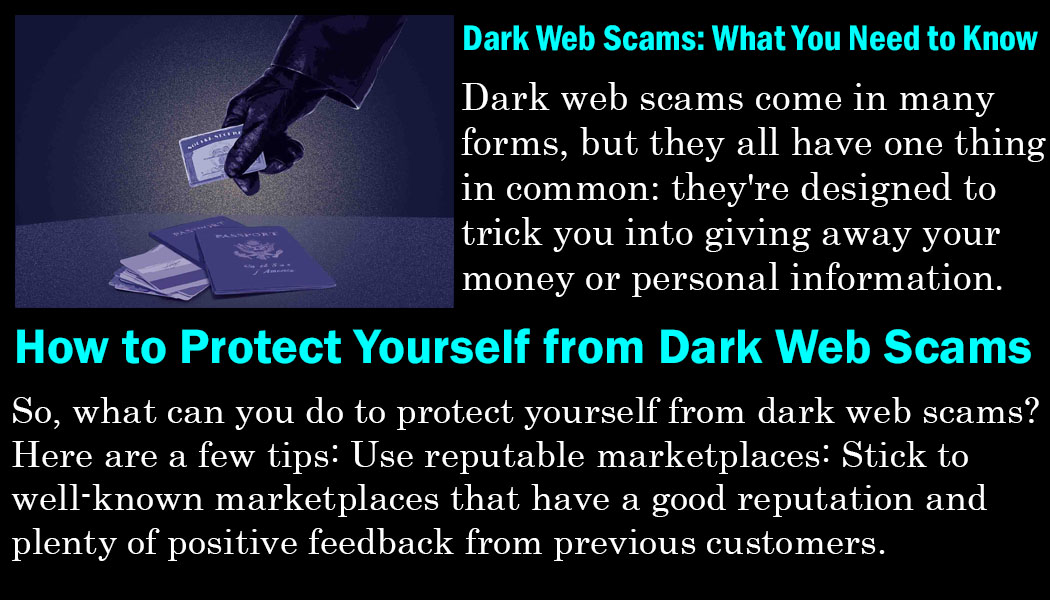
Dark Web Scams: What You Need to Know
Dark web scams come in many forms, but they all have one thing in common: they’re designed to trick you into giving away your money or personal information. Some scams involve fake marketplaces that promise to sell you goods or services that don’t actually exist. Other dark web scams may involve trying to trick you into downloading malware or giving away your login credentials.
But no matter how the scam works, the end result is the same: you lose money or your identity is stolen.
Warning Signs of Dark Web Scams
One of the best ways to protect yourself from dark web scams is to know the warning signs. Some common red flags to look out for include: Unrealistic prices: If something seems too good to be true, it probably is. Be wary of vendors offering goods or services at a much lower price than their competitors. Unsolicited messages: If you receive a message from someone you don’t know offering to sell you something, be cautious, this could be one of the dark web scams mentioned.
Scammers often send out unsolicited messages to potential victims. Poor grammar or spelling: Many dark web scams are run by non-native English speakers, so poor grammar and spelling can be a sign that something isn’t quite right. Lack of feedback: If a vendor has no feedback from previous customers, it’s a good idea to be cautious. Legitimate vendors will usually have positive feedback from satisfied customers.
How to Protect Yourself from Dark Web Scams
So, what can you do to protect yourself from dark web scams? Here are a few tips:
Use reputable marketplaces: Stick to well-known marketplaces that have a good reputation and plenty of positive feedback from previous customers.
Avoid clicking on dark web links or attachments: Don’t click on dark web links or download attachments from untrusted sources. They could contain malware that could compromise your computer or steal your personal information.
Use secure payment methods: When making a purchase, use a secure payment method such as Bitcoin or a prepaid debit card. Avoid using credit cards or bank transfers, as they could leave you vulnerable to fraud on strange dark web links
Use two-factor authentication: Many marketplaces and vendors offer two-factor authentication, which adds an extra layer of security to your account. Use it whenever possible.
What to do if you Suspect you’ve Been Scammed
Even if you’re careful, there’s always a chance that you could fall victim to a dark web scam. If you suspect that you’ve been scammed, here’s what you should do:
- Contact the marketplace: If you made your purchase through a marketplace, contact their support team and explain the situation. They may be able to help you get your money back.
- Change your passwords: If you gave away your login credentials, change your passwords immediately. This will help prevent the scammers from accessing any other accounts you may have.
- Monitor your accounts: Keep a close eye on your bank and credit card accounts for any unauthorized transactions. If you see anything suspicious, report it to your bank or credit card issuer right away.
Dark web scams are a serious threat, but with a little bit of knowledge and caution, you can protect yourself from becoming a victim. By being aware of the warning signs of dark web scams and taking steps to protect your personal information, you can safely navigate the dark web links and avoid falling prey to scammers. Remember, if something seems too good to be true, it probably is.
Stick to reputable marketplaces and vendors, use secure payment methods, and always be cautious when clicking on dark web links or downloading attachments. And if you do fall victim to a scam, don’t be afraid to seek help from the marketplace or your bank. Stay safe out there, and happy browsing!
Don’t Get Scammed on the Dark web links: How to Spot and Avoid Common Scams
Are you curious about the dark web links but worried about falling victim to scams? You’re not alone. With so many horror stories circulating about identity theft, phishing, and counterfeit goods, it’s natural to be cautious. But fear not, dear reader! In this article, we’ll go over some common types of dark web scams and give you tips on how to protect yourself. So sit back, grab a cup of tea, and let’s dive in!
Phishing: How Scammers Reel You In
Phishing is a type of scam where a hacker tries to trick you into giving them your personal information, such as your login credentials or credit card number. This is often done through fake websites or emails that look like they’re from legitimate sources. One example of a phishing scam on dark web links is a fake login page for a popular marketplace. When you enter your username and password, the scammers have access to your account and can steal your money or personal information.
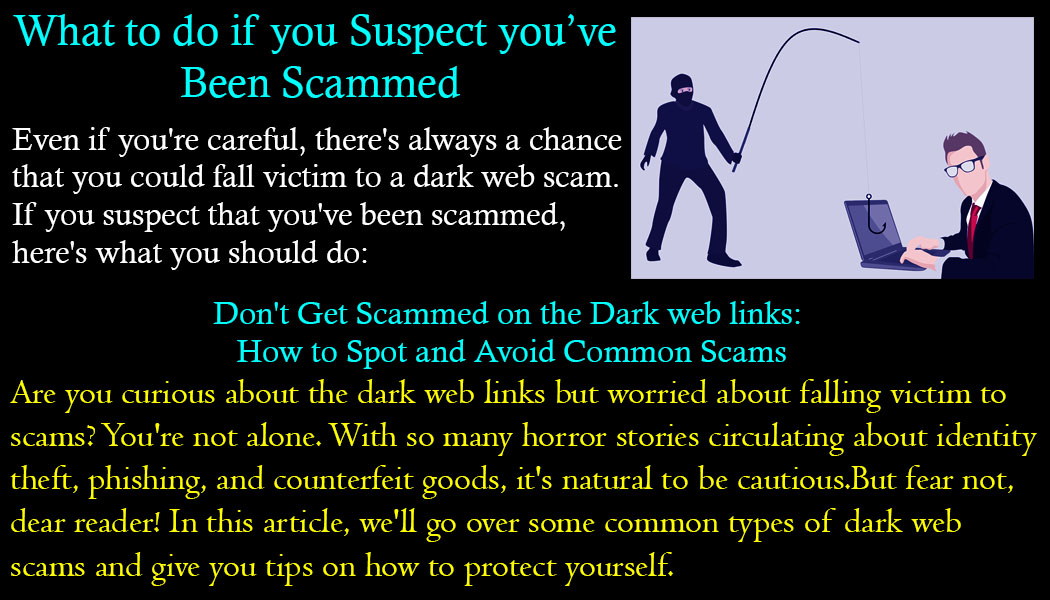
Phishing scams are effective because they rely on people’s trust. If you think you’re on a legitimate website or talking to a trustworthy vendor, you’re more likely to let your guard down and give out sensitive information.
Identity Theft: Protecting Your Digital Identity
Identity theft is another common dark web scam. Scammers may use stolen personal information to open credit card accounts, take out loans, or make fraudulent purchases in your name.
One example of a dark web links identity theft scam is when a scammer uses your stolen information to create a fake profile on a marketplace.
They may use your reputation and feedback to sell counterfeit goods or scam other buyers. To protect yourself from identity theft, be cautious about sharing personal information online. Use strong, unique passwords for all of your accounts, and consider using a password manager to keep them safe. Monitor your credit reports regularly to catch any suspicious activity.
Counterfeit Goods: Don’t Get Fooled
Counterfeit goods are a popular item on the dark web links. Scammers may sell fake designer handbags, electronics, or even medications that are dangerous to use. One example of a counterfeit goods scam is a vendor who sells “branded” products at a much lower price than the legitimate items.
However, these fake products are often poorly made and may not function properly. To avoid counterfeit goods scams, stick to reputable vendors and marketplaces. Check reviews and ratings before making a purchase and be wary of prices that seem too good to be true. If a product is significantly cheaper than its legitimate counterpart, it’s likely a fake.
Protecting Yourself from Dark Web Scams
Now that you know some common types of dark web scams, how can you protect yourself? Here are some tips to keep in mind:
- Use a VPN: A virtual private network (VPN) can help keep your browsing activity private and secure. This can help protect you from hackers and scammers.
- Stick to reputable vendors: Research vendors and marketplaces before making a purchase. Check reviews and ratings to ensure that they’re trustworthy.
- Use secure payment methods: Avoid sending money via unsecured channels, such as wire transfers or Western Union. Instead, use reputable payment methods such as PayPal or credit cards, which offer some level of protection for buyers.
- Be cautious when clicking on dark web links or downloading attachments: Scammers may use fake dark web links or attachments to install malware on your computer or steal your personal information. Always double-check the source of a link or attachment before clicking on it.
- Monitor your accounts and credit reports: Regularly check your bank accounts, credit card statements, and credit reports for any suspicious activity.
Final Thoughts: Staying Safe on the Dark web links
Navigating the dark web links can be intimidating, but with some caution and awareness, you can avoid falling victim to scams.
Here are some final tips to keep in mind:
- Don’t share personal information: Avoid giving out sensitive information, such as your social security number or home address, on the dark web links. This information can be used for identity theft or other scams.
- Be wary of too-good-to-be-true deals: Scammers often use low prices or exclusive offers to lure victims in. If a deal seems too good to be true, it probably is.
- Use strong passwords: Make sure your passwords are unique and complex. Consider using a password manager to keep them organized and secure.
- Stay up-to-date on security: Keep your computer and devices updated with the latest security software and patches. This can help protect you from malware and other threats.
- Use common sense: If something seems suspicious or doesn’t feel right, trust your instincts. It’s better to be cautious than to fall victim to a scam.
In conclusion, the dark web links can be a dangerous place if you’re not careful. But by knowing how to spot and avoid common scams, you can protect yourself and navigate the dark web links safely. Remember to use caution, do your research, and trust your instincts.
Happy browsing!
Don’t Get Scammed: Spotting Dark Web Scams Before They Get You
Why You Need to Be Aware of Warning Signs and Red Flags on the Dark web links
When it comes to the dark web links, there are plenty of scams lurking around every corner. From fake marketplaces to phishing schemes, it can be tough to know what’s legitimate and what’s not. To help you avoid becoming a victim, let’s take a closer look at some of the warning signs and red flags you should watch out for.
Unrealistic Prices and Poor Grammar: Common Warning Signs of Dark Web Scams
One of the most common warning signs of a dark web scam is an unrealistic price. If something seems too good to be true, it probably is.
Scammers will often offer products or services at prices far below market value in order to lure in unsuspecting victims. Another red flag to watch out for is poor grammar or spelling. Many scammers operate from countries where English is not the first language, so their messages may contain errors or awkward phrasing. If you receive a message that seems poorly written or doesn’t make sense, it’s best to avoid engaging with the sender.
Establishing Trust and Manipulative Tactics: How Scammers Hook Their Victims
Once a scammer has your attention, they’ll do everything in their power to establish trust and build a rapport with you. They may offer discounts, free samples, or other incentives to get you to make a purchase. They’ll also use manipulative tactics, such as playing on your fears or exploiting your emotions, to convince you to trust them.
To avoid falling for these tricks, it’s important to keep a healthy level of skepticism. Don’t let yourself be swayed by special offers or emotional appeals. Instead, do your research and take the time to evaluate the legitimacy of a seller or marketplace before making a purchase.
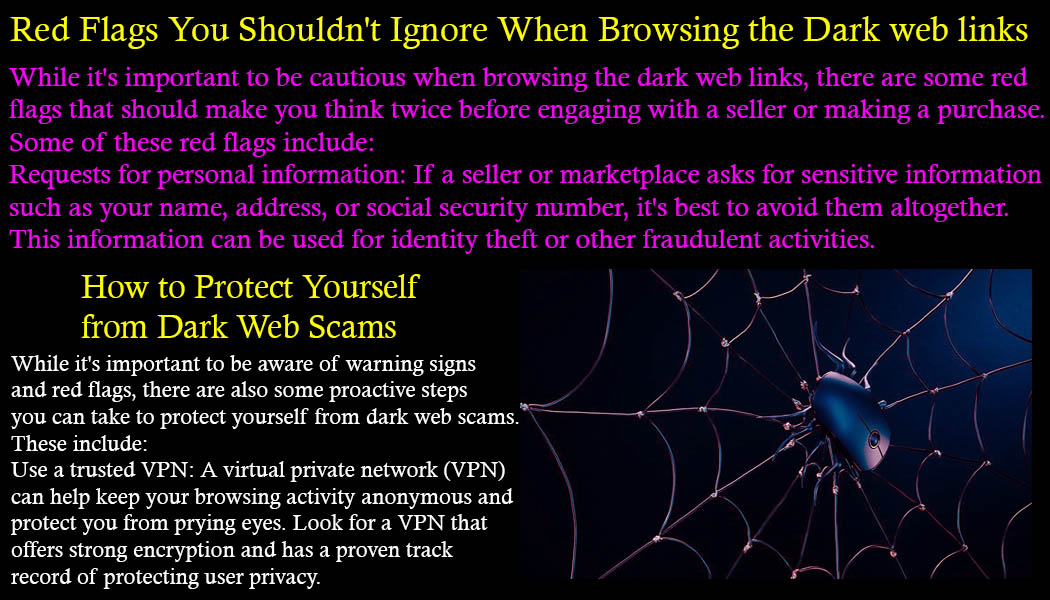
Red Flags You Shouldn’t Ignore When Browsing the Dark web links
While it’s important to be cautious when browsing the dark web links, there are some red flags that should make you think twice before engaging with a seller or making a purchase.
Some of these red flags include:
- Requests for personal information: If a seller or marketplace asks for sensitive information such as your name, address, or social security number, it’s best to avoid them altogether. This information can be used for identity theft or other fraudulent activities.
- Unverified vendors: Always check to see if a vendor is verified before making a purchase. Scammers will often pose as legitimate vendors in order to steal your money or personal information.
- Unsolicited messages: If you receive a message from someone you don’t know, be wary. Scammers will often send unsolicited messages to potential victims in an attempt to establish trust and build a relationship.
By keeping these warning signs and red flags in mind, you can navigate the dark web links safely and avoid falling victim to scams.
How to Protect Yourself from Dark Web Scams
While it’s important to be aware of warning signs and red flags, there are also some proactive steps you can take to protect yourself from dark web scams.
These include:
- Use a trusted VPN: A virtual private network (VPN) can help keep your browsing activity anonymous and protect you from prying eyes. Look for a VPN that offers strong encryption and has a proven track record of protecting user privacy.
- Use a reputable marketplace: Stick to reputable marketplaces that have a history of good customer service and a strong reputation for security. Avoid using new or unverified marketplaces, as they may be scams in disguise.
- Use secure payment methods: Whenever possible, use secure payment methods such as Bitcoin or other cryptocurrencies
- Additionally, it’s crucial to keep your personal information safe by using strong passwords and two-factor authentication whenever possible. Be wary of any messages or emails that ask for your personal information or login credentials, as scammers often use these tactics to steal your identity.
In conclusion, dark web links can be a dangerous places, full of scams and fraudulent activity. However, with the right knowledge and precautions, you can protect yourself and avoid falling victim to these schemes. Always be cautious when using dark web links and conducting transactions, and be on the lookout for warning signs and red flags that indicate a potential scam.
By staying informed and using safe and secure practices, you can safely navigate the dark web links and avoid becoming a victim of dark web scams. Remember, prevention is always better than cure, so take the necessary steps to protect yourself and stay safe online.
Dark Web Links: How to Protect Yourself from Being a Victim
The dark web is home to a variety of scams and fraudulent activity, making it essential for users to take precautions to protect themselves from dark web links.
In this article, we’ll discuss best practices for staying safe on the dark web links, including using reputable marketplaces and vendors, avoiding suspicious dark web links, and using secure payment methods. We’ll also cover tools and resources that can help you stay safe, as well as steps you can take if you suspect you’ve fallen victim to a scam.
Use Reputable Marketplaces and Vendors:
One of the best ways to protect yourself from dark web scams is to use reputable marketplaces and vendors. Look for sites that have a proven track record of customer satisfaction and that have implemented measures to keep their users safe. Always check the vendor’s ratings and reviews before making a purchase, and be wary of vendors who have little to no feedback or who have negative reviews.
Avoid Clicking on Suspicious Dark web links or Attachments:
Another way to protect yourself from dark web scams is to avoid clicking on suspicious dark web links or attachments. Scammers often use phishing tactics to lure users into clicking on dark web links that lead to fake login pages or that contain malware or other malicious software. Always be cautious of dark web links or attachments that seem out of place or that come from an unknown source.
Use Secure Payment Methods:
Whenever possible, use secure payment methods such as Bitcoin or other cryptocurrencies. These methods are more secure and offer greater anonymity than traditional payment methods, making them ideal for transactions on the dark web. However, be sure to use reputable exchanges and wallets, and never send payments directly to an untrusted seller.
Use Tools and Resources to Stay Safe:
There are a variety of tools and resources available to help you stay safe on the dark web.
Anti-virus software can help protect your computer from malware and other malicious software, while VPNs (virtual private networks) can help protect your privacy and keep your online activity hidden from prying eyes. Two-factor authentication is also a valuable tool for protecting your accounts and ensuring that only you can access your personal information.
Take Action If You Suspect You’ve Been Scammed:
If you suspect you’ve fallen victim to a dark web scam, it’s important to take action immediately. Contact the marketplace or vendor to report the scam and request a refund if possible.
Change your passwords and monitor your accounts for any suspicious activity. You may also want to file a report with your local law enforcement agency or with the FBI’s Internet Crime Complaint Center. In conclusion, protecting yourself from dark web scams requires a combination of vigilance, caution, and the use of tools and resources designed to keep you safe.
Always use reputable marketplaces and vendors, avoid suspicious dark web links and attachments, and use secure payment methods whenever possible.
Utilize anti-virus software, VPNs, and two-factor authentication to further protect yourself. And if you suspect you’ve been the victim of a scam, take action immediately to mitigate any damage and prevent further harm.
By following these best practices, you can safely navigate the dark web and avoid falling prey to dark web scams.
Don’t Get Caught in the Dark: Understanding the Legal Risks of Dark Web Scams
The dark web is a notorious and mysterious corner of the internet, where anonymity reigns supreme and illegal activity abounds. While many people are aware of the risks associated with dark web scams, few consider the potential legal consequences of participating in such activities. In this article, we will explore the legal risks and consequences of engaging in dark web scams, as well as high-profile cases of individuals who were caught and punished for their involvement.
Legal Consequences of Engaging in Dark Web Scams
The first thing you need to know is that engaging in dark web scams is illegal. While many people assume that the anonymity of the dark web makes them immune from prosecution, this is not the case. Law enforcement agencies around the world are actively working to combat illegal activity on the dark web, and they have become increasingly successful in recent years. If you are caught engaging in dark web scams, you could face serious legal consequences, including fines, imprisonment, and even seizure of your assets. The severity of the punishment will depend on the specific nature of the crime, but it is safe to say that the risks are high.
The Risks of Prosecution
To illustrate the point, let’s take a look at some high-profile cases of individuals who were caught and punished for their involvement in dark web scams. One of the most well-known cases is that of Ross Ulbricht, the founder of the Silk Road marketplace. Ulbricht was sentenced to life in prison in 2015 for his involvement in operating the site, which facilitated the sale of illegal drugs, weapons, and other illegal goods.
Another example is the case of Brian Farrell, who was sentenced to eight years in prison for his role in a dark web scam that involved selling counterfeit goods, including Nike sneakers and Gucci handbags.
Farrell was caught by law enforcement after they tracked down the IP address associated with his dark web activities. These are just two examples of many, but they illustrate the seriousness of the legal risks associated with engaging in dark web scams.
Understanding the Legal Risks
It’s important to understand that ignorance of the law is not a defense. If you engage in illegal activity on the dark web, you are putting yourself at risk of prosecution and imprisonment. This is why it’s essential to fully understand the legal risks before engaging in any potentially illegal activity.
Know the Risks Before You Dive In
The dark web can be a mysterious and alluring place for some, with promises of anonymity and access to goods and services that may be hard to find elsewhere. However, it’s important to remember that the dark web is also home to a lot of illegal activity. And engaging in these activities can come with serious legal consequences. One of the most effective ways to protect yourself from these consequences is to stick to reputable marketplaces. And vendors when making purchases on the dark web.
These marketplaces often have their own rules and regulations in place to ensure that transactions are legal and secure.
Vendors who operate on these platforms are also often vetted and verified. Which can give you some peace of mind when making a purchase. In addition to sticking to reputable marketplaces and vendors. It’s also important to avoid clicking on suspicious dark web links or attachments. These could lead you to phishing sites or other malicious pages that could compromise your security or lead you to engage in illegal activity.
It’s important to stay vigilant and to always be on the lookout for signs that a link or attachment may be suspicious. It’s also important to never engage in activities that could be considered illegal. This includes purchasing illegal goods or services, participating in hacking or other cybercrime, and engaging in activities that could be considered terrorism. These activities can come with serious legal consequences, including fines, imprisonment, and other penalties.
Security is the key
Using encryption and other security measures is another important step in protecting yourself from legal consequences. When engaging in activities on the dark web. Encryption can help to protect your identity and prevent law enforcement from tracking your activities. It’s also a good idea to use a VPN (virtual private network) when accessing the dark web. As this will help to hide your IP address and location, making it more difficult for law enforcement to track you.
It’s important to remember that the dark web is not a place to engage in illegal activity. While it may be tempting to explore this hidden corner of the internet. It’s important to be aware of the risks and consequences that come with engaging in illegal activity on the dark web.
By sticking to reputable marketplaces and vendors, avoiding suspicious dark web links and attachments. And taking other steps to protect your identity and security, you can help to minimize your risks. And stay safe when exploring the dark web.
Protect Yourself with Tools and Resources
In addition to these measures, there are a number of tools and resources that can help you stay safe on the dark web. Anti-virus software and two-factor authentication are essential tools for protecting your computer and personal information from hackers and scammers. If you suspect that you have been the victim of a scam, there are steps you can take to protect yourself.
These include reporting the scam to law enforcement, canceling any credit cards or bank accounts that may have been compromised. And monitoring your credit report for any unauthorized activity. In conclusion, dark web scams are a serious threat that can result in significant financial loss and legal consequences. By understanding the risks and taking steps to protect yourself. You can minimize the risks f getting involved in legal consequences.
Protect Yourself from Dark Web Scams: Don’t Fall for the Trap
Dark web scams can be tricky to spot, and it’s easy to fall victim to them if you’re not careful. However, by taking the necessary precautions and staying aware of the warning signs. You can protect yourself from becoming a victim of these scams. In this article, we’ve discussed some of the common types of scams on the dark web. Including phishing, identity theft, and counterfeit goods. We’ve also highlighted some of the warning signs and red flags to watch out for when dealing with potential scammers.
To protect yourself from dark web scams, it’s essential to stick to reputable marketplaces and vendors when making purchases. Avoid clicking on suspicious dark web links or attachments and never engage in activities that could be considered illegal. Using encryption and other security measures to protect your identity is also crucial, as well as using a VPN when accessing the dark web.
Remember, engaging in illegal activities on the dark web can have serious legal consequences. Individuals have been caught and punished for participating in dark web scams. So it’s important to understand the risks before diving in.
In summary, the key takeaway from this article is to stay vigilant and aware of potential dark web scams on the dark web. By following the best practices and using the necessary tools and resources. You can protect yourself from being a victim of dark web scams.
So, the next time you’re browsing the dark web, remember to stay safe and don’t fall for the trap of these scams.
With a little bit of caution and common sense, you can navigate the dark web safely and protect yourself from potential harm.
The post Don’t Get Scammed on the Dark Web: How to Protect Yourself from Dark Web Scams appeared first on Hidden Wiki - Top Dark Web Links & Onion Sites (2026).
]]>