
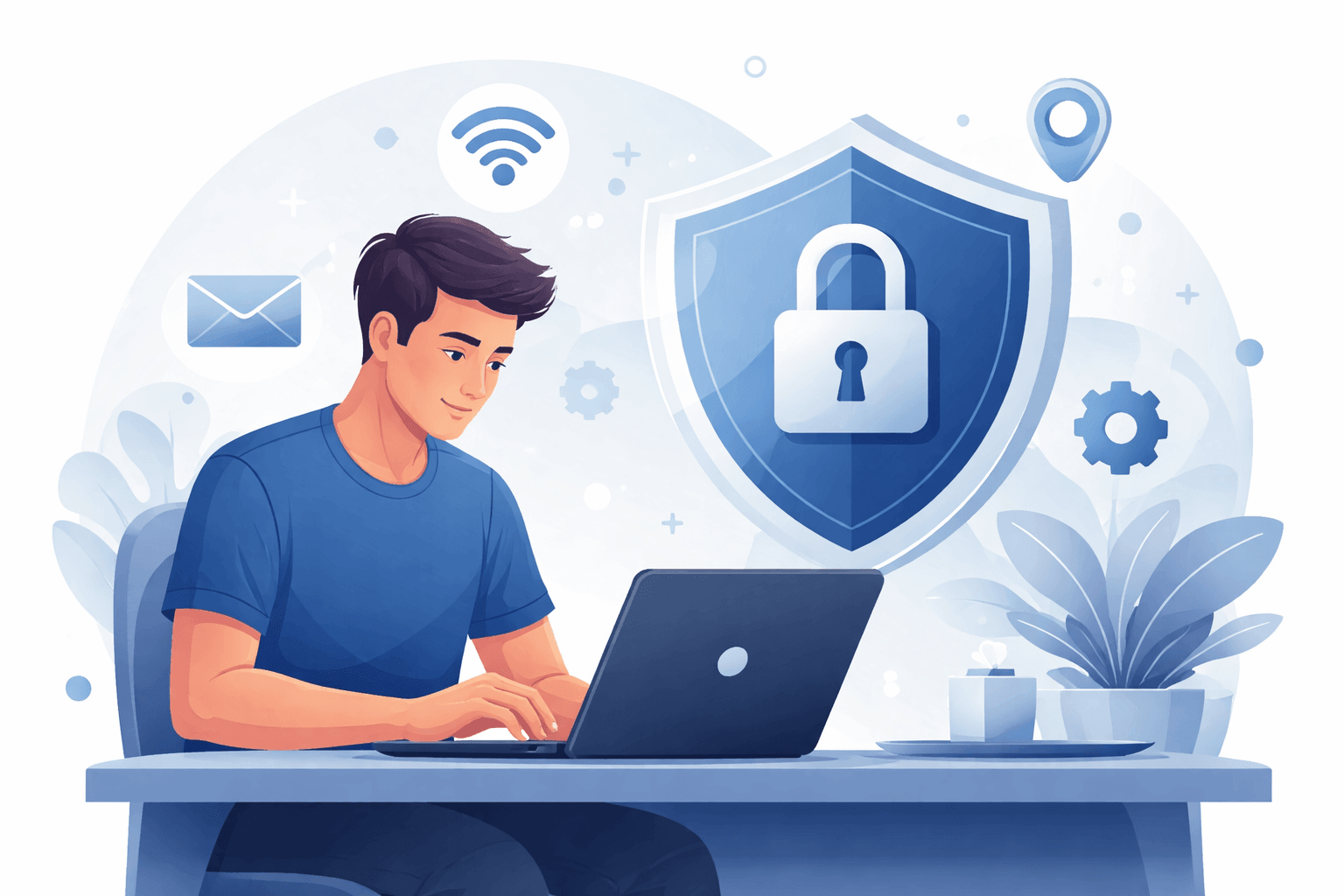
In 2026, the way we use the internet has become more connected—and more exposed—than ever before. From browsing websites to using mobile apps, a large portion of our daily activities now happens online.
At the same time, digital systems continuously collect information in the background. This includes browsing behavior, device details, and interaction patterns that help shape personalized experiences across platforms.
While many of these processes are designed to improve usability, they also highlight the importance of understanding how personal data is handled. Building awareness around these practices is the first step toward developing safer and more responsible online habits.
Why Online Privacy Matters More Than Ever
As technology continues to evolve, online privacy has become an essential part of everyday digital life rather than an optional concern.
Modern websites and services rely heavily on data collection to function efficiently. This may include search activity, location data, and usage patterns. Over time, this information forms a digital footprint—a record of how individuals interact with online systems.
Tracking technologies such as cookies and analytics tools are widely used to improve user experience. However, they also make it important to understand how personal data is being processed and stored.
Even a basic level of awareness can help individuals make more informed decisions when browsing, using applications, or interacting with digital services.

Use Strong and Unique Passwords
One of the simplest ways to improve personal security online is by using strong and unique passwords for each account. Reusing the same password across multiple platforms can increase risk if one account becomes compromised.
A strong password typically includes a combination of letters, numbers, and symbols, making it more difficult to guess or break. More importantly, using different passwords for different services helps limit potential exposure.
For those managing multiple accounts, password managers can offer a practical solution. These tools help generate and store secure passwords, reducing the need to remember them manually while maintaining better protection.
Be Careful with Links and Downloads
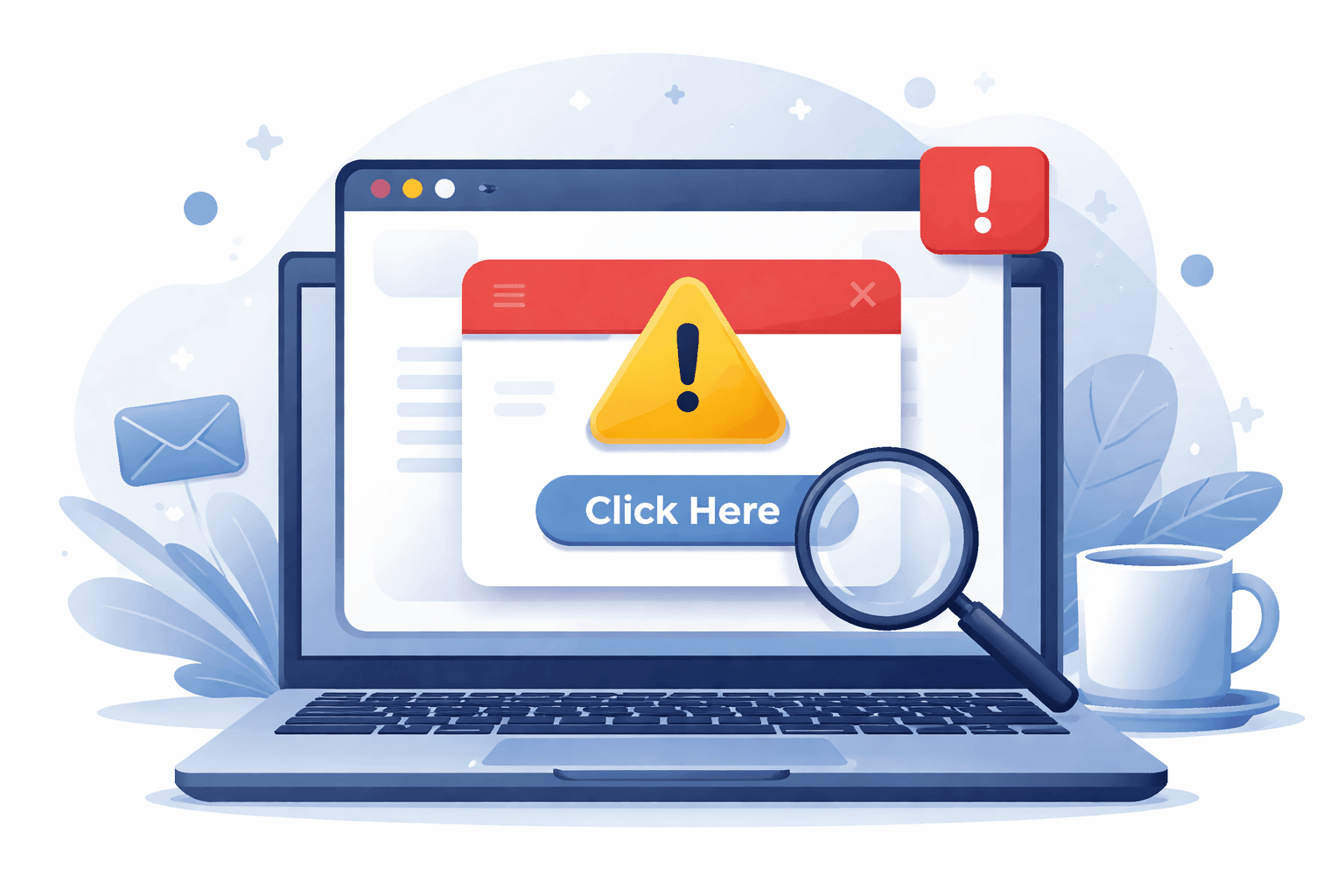
Everyday browsing often involves clicking links and downloading files, but not all sources can be considered reliable. Some links may lead to pages designed to collect information or redirect users unexpectedly.
Taking a moment to review unfamiliar links before interacting with them is a simple but effective habit. This is especially important when links come from unknown sources or unexpected messages.
Downloads also require attention. Files from unverified sources may contain harmful elements that could affect device security. Being selective about what you download can significantly reduce unnecessary risks.
Use Privacy-Focused Tools
In addition to safe browsing habits, privacy-focused tools can add an extra layer of protection. These tools are designed to reduce the amount of personal data exposed during online activity.
For example, the Tor Browser routes internet traffic through multiple layers, making it more difficult to trace user activity. It is commonly used by individuals who prioritize anonymity.
Virtual private networks (VPNs) can also help protect user data by masking IP addresses and encrypting internet connections, particularly on public networks.
While these tools can enhance privacy, they are most effective when used alongside responsible browsing habits and general awareness. To better understand this, you can explore how privacy tools work beyond basic solutions.
Keep Your Software and Devices Updated
Keeping software and devices updated is one of the most effective ways to maintain a secure environment. Updates often include important security patches that address known vulnerabilities.
When updates are delayed or ignored, systems may remain exposed to issues that have already been resolved. This can create unnecessary risk even during routine use.
A common mistake is postponing updates repeatedly or disabling automatic updates. Regular updates play a key role in maintaining both stability and security.
Limit What You Share Online
Sharing information online has become a normal part of daily life, especially through social media platforms. However, it is important to be mindful of how much personal information is being made public.
Details such as location, routines, or personal preferences can gradually form a broader picture of an individual’s digital presence. Over time, this information may be used in ways that are not immediately visible.
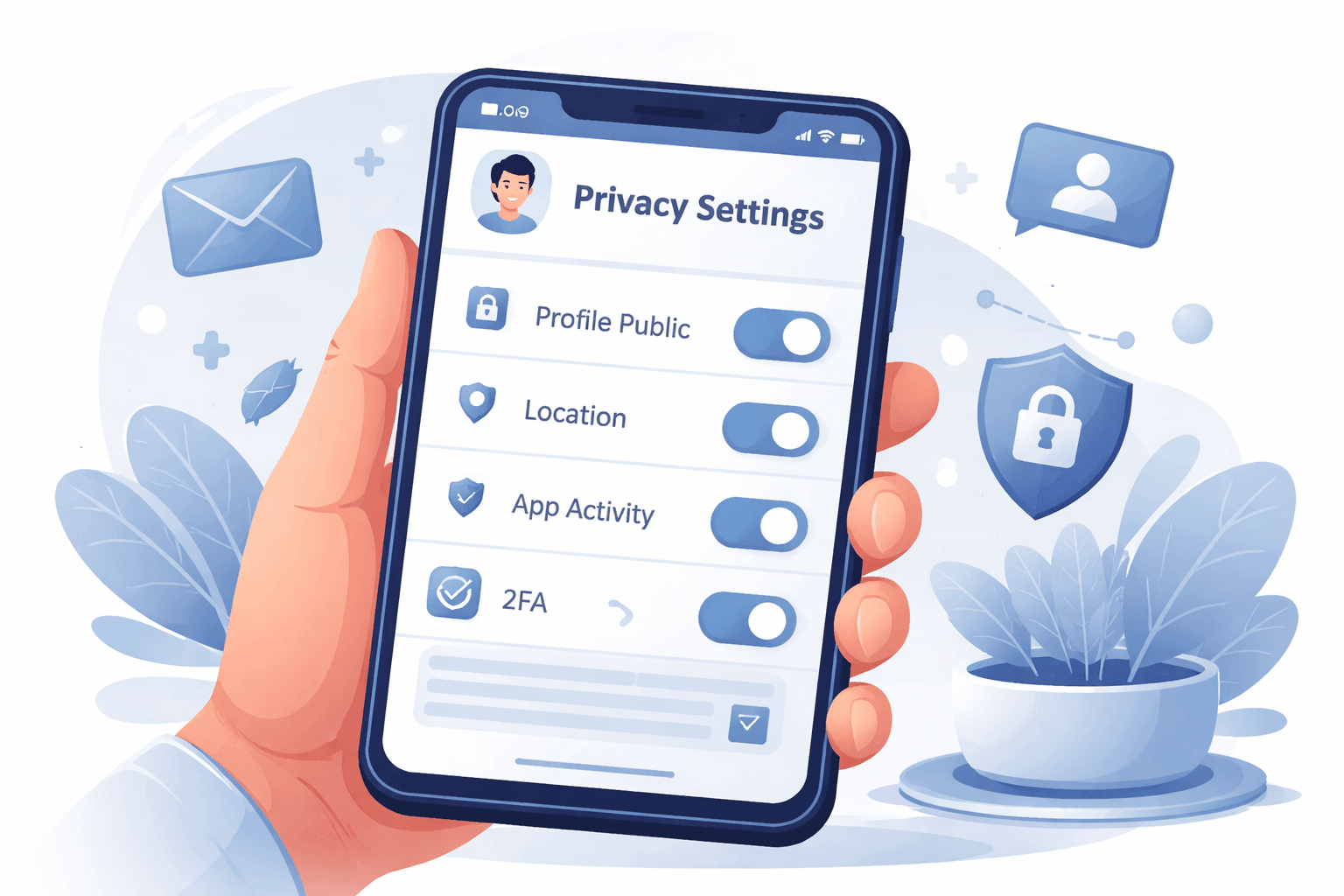
Reviewing privacy settings and being selective about what is shared can help reduce unnecessary exposure and improve control over personal data.
Develop Safe Browsing Habits
Developing safe browsing habits is one of the most effective ways to reduce online risks. Simple actions, such as thinking before clicking unfamiliar links, can prevent many common issues.
Not every platform follows the same standards of security and reliability. Being cautious when visiting unknown or unverified websites helps minimize exposure to potential risks.
Over time, adopting an awareness-based approach to browsing can make a noticeable difference. Preventing issues before they occur is always more effective than reacting afterward.
Conclusion
Protecting your digital life does not require complex tools or advanced knowledge—it begins with simple, consistent habits.
Privacy is not a one-time action but an ongoing process. Small, thoughtful steps can make a meaningful difference in how personal information is managed and protected.
By staying informed and aware, individuals can navigate the internet with greater confidence while maintaining better control over their digital presence. You can also explore trusted resources for safer browsing and online exploration to deepen your understanding.