The post Onion Links That Still Work in 2026 – Verified & Safe .onion Directory appeared first on Hidden Wiki - Top Dark Web Links & Onion Sites (2026).
]]>Onion links are special web addresses that end in “.onion” and are only accessible through the Tor network. Unlike regular websites, which are indexed on the surface web and use standard domain extensions like .com or .org, onion sites operate on an encrypted layer of the internet. This makes them invisible to traditional search engines and unreachable without the right tools. The main purpose of onion links is to provide anonymity—both for the site operator and the visitor—by masking IP addresses and routing all traffic through multiple encrypted relays. You can learn more about Tor’s mission and tools on the Tor Project official site.
Understanding the Tor Network
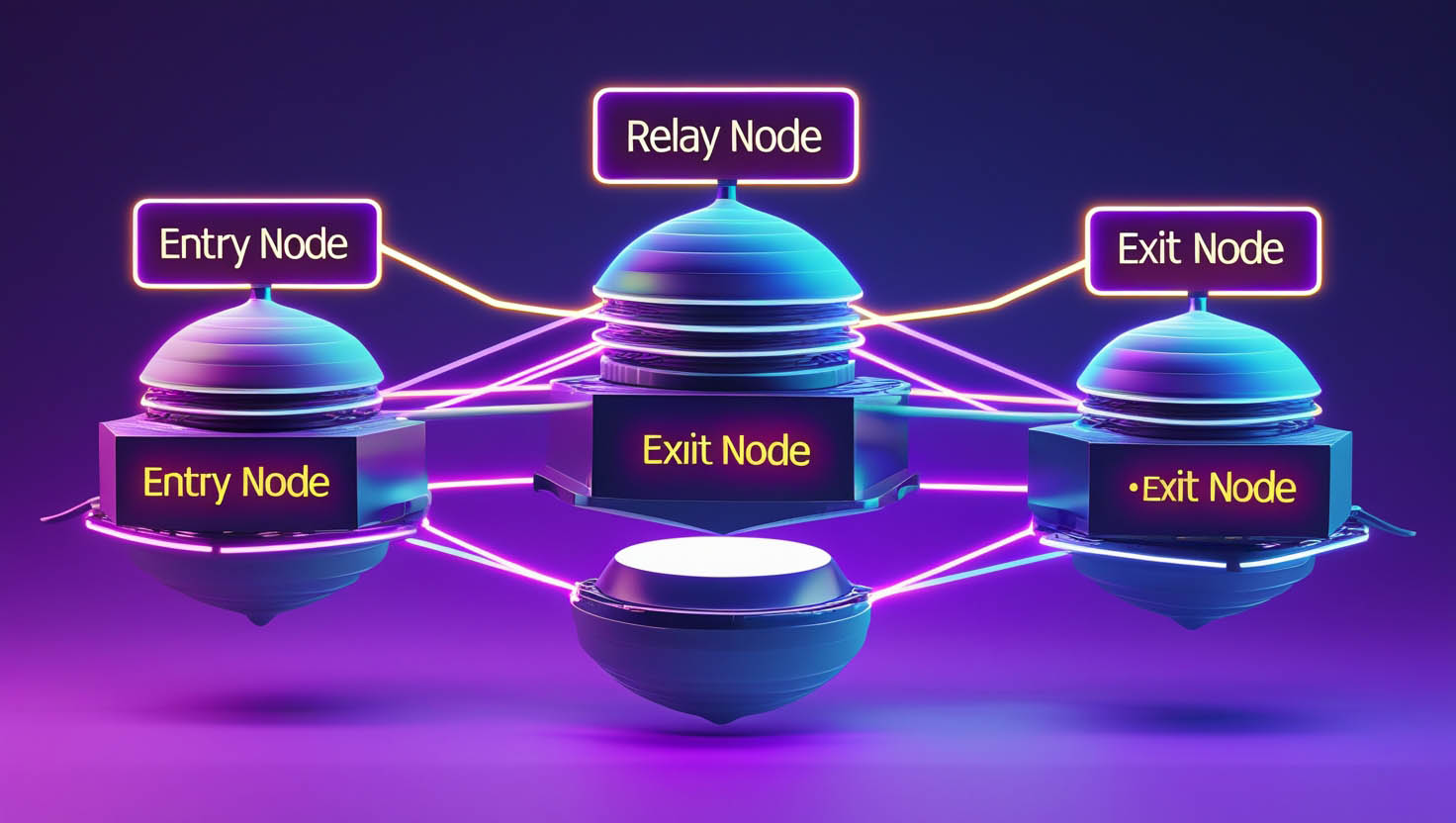
The Tor (The Onion Router) network uses a layered encryption system, similar to peeling back the layers of an onion—hence the name. When you visit an onion link, your connection is routed through at least three Tor nodes: an entry node, a middle relay, and an exit node (for surface traffic) or directly to a hidden service (for .onion sites). Each relay only knows the next step in the chain, not the entire route, making it extremely difficult to trace your activity. Onion addresses themselves are long, random strings generated through cryptographic keys, ensuring that only those with the exact address can reach the site. Onion sites operate on an encrypted layer of the internet, making them invisible to traditional search engines and unreachable without the right tools.
Common Misconceptions About .onion Sites
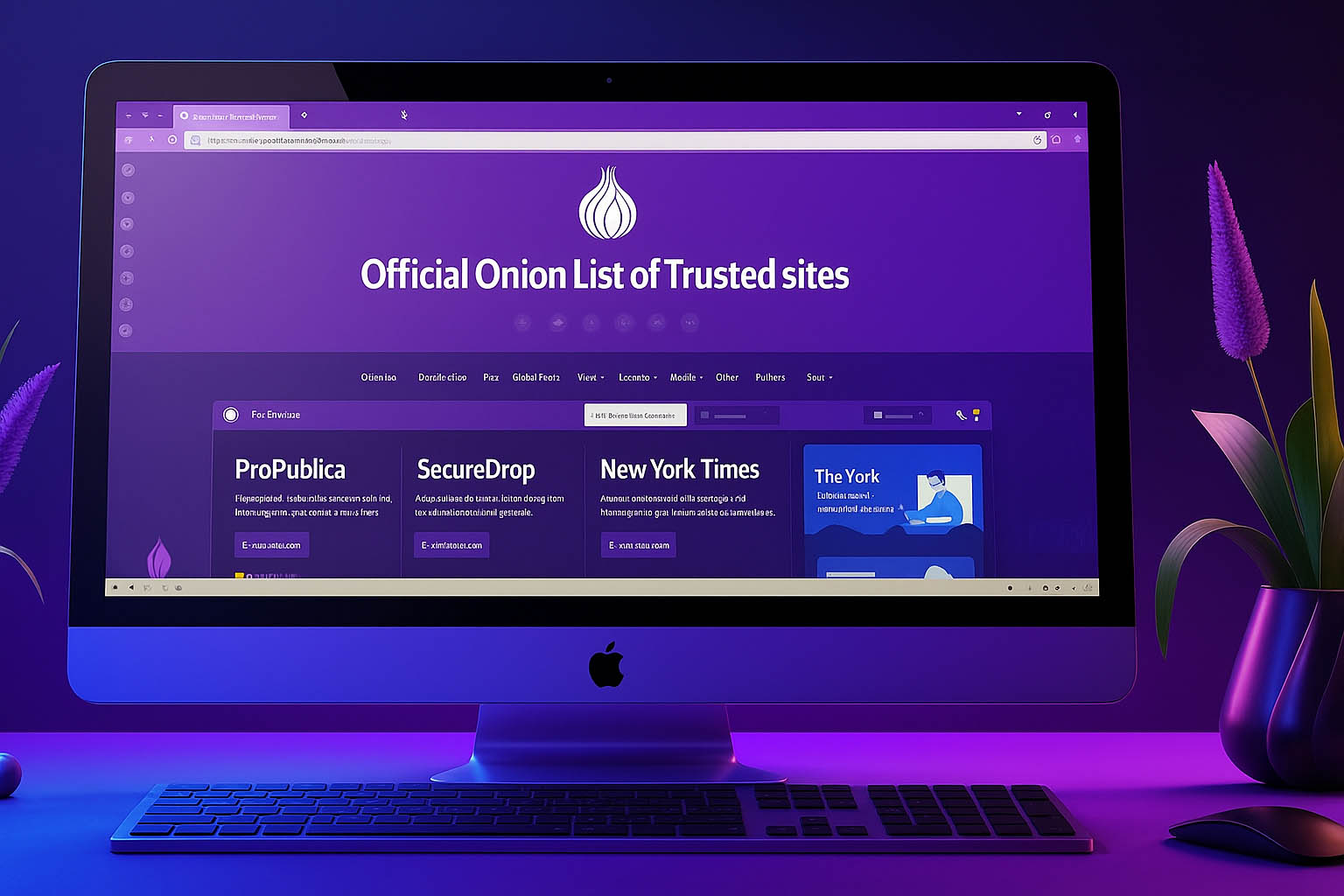
Many people believe that all onion links lead to illegal or dangerous content. In reality, there are countless legitimate and legal uses for onion services. Major organizations like ProPublica, The New York Times, and DuckDuckGo operate official onion sites to give users a censorship-free, privacy-focused browsing option. While it’s true that the dark web also hosts illicit marketplaces and scams, visiting an onion link in itself is not illegal in most countries. The key is knowing which links are safe, verified, and trustworthy—a topic we’ll cover in detail in later sections.
What Is the Hidden Wiki and How It’s Going in 2025 – An updated overview of the Hidden Wiki, its current status, and how users access it today.
How We Verify and Update Our Onion Directory
Our onion directory stays reliable because we update it often and check every link carefully. Onion addresses change without warning. Some vanish, while others get replaced by fake versions. To protect users, we test uptime, check link health, and confirm authenticity through trusted sources.
Last-Checked Dates & Link Health
Each link in our directory shows a “Last Checked” date so users know when it was last verified. This matters because onion sites can go offline overnight. We run our checks inside the Tor network to avoid data leaks and false results. When a site is down, we mark it as offline or remove it until it is safe to use again.
We also examine SSL or TLS certificates for sites that use encryption. Although not all onion services have these certificates, many trusted ones do. If a certificate is expired or mismatched, it can be a sign of a phishing clone. By combining uptime checks with encryption reviews, we keep the directory accurate and safe for anyone browsing.
Cross-Checking with Official Mirrors
A site that is online may still be dangerous if it is a fake copy. Attackers often clone onion services to trick users, steal data, or install malware. To stop this, we compare every onion address with official mirrors published by the site owner.
When possible, we confirm these mirrors using PGP signatures. Many respected sites, such as SecureDrop and ProPublica, sign their onion addresses with a verified public key. We validate these signatures before listing them. If a site changes its address, we update the listing and label the old one as deprecated. By repeating these steps, we make sure our directory stays fresh, accurate, and trustworthy.
Top Trusted Onion Links in 2025 (Verified & Active)
Not all onion sites are risky or illegal. Many are run by respected organizations that value privacy, free speech, and secure communication. These services offer a safe entry point to the dark web for users who want to explore legitimate resources. Below are some of the most trusted onion sites that remain active and verified in 2025.
News and Whistleblowing Platforms
One of the most important uses of onion services is independent journalism and whistleblowing. Among the few major newsrooms with an active dark web presence, ProPublica is widely respected for its investigative work and dedication to open access. Its Tor-based platform is designed for readers who need censorship-free access to journalism, especially in countries with restricted media. The onion site is fully optimized for privacy, keeping all activity within the Tor network and shielding visitors from tracking. For many whistleblowers and researchers, it’s a vital gateway to credible, in-depth reporting. You can explore their work at the ProPublica investigative journalism platform.
Another trusted platform is SecureDrop, an open-source whistleblower submission system used by major news outlets. SecureDrop lets journalists receive sensitive documents without exposing a source’s identity. Every SecureDrop instance is operated by a specific media outlet, so visitors must always use the verified onion link from that organization’s official page.
The New York Times also runs its Onion site. It provides uncensored access to global news and investigative reporting for readers in countries where the media is restricted. These platforms demonstrate that onion services can be vital tools for truth and transparency.
Privacy & Anonymity Tools
Some onion sites focus on protecting user privacy and online anonymity. The official Tor Project onion site is one example, offering downloads of the Tor Browser and resources for safe browsing. Accessing it via the onion link ensures users are not tracked by third-party services.
The privacy-focused search engine DuckDuckGo also maintains an onion version. This allows users to search the web without logging their queries, while keeping traffic entirely within the Tor network.
Another valuable service is Riseup, which provides secure email and communication tools for activists, journalists, and privacy advocates. Its onion site ensures all connections are encrypted end-to-end, protecting user identities even in high-risk environments.
These trusted services show that the dark web is more than criminal markets—it is also a home for free speech, privacy, and secure communication.
Working Onion Links Directories and Indexes in 2025
For newcomers to the dark web, onion directories act as the main navigation tool. They list categories of sites with short descriptions and direct onion links. However, not all directories are trustworthy. Some are outdated, while others are dangerous clones designed to mislead users. Knowing which ones are active and safe in 2025 is essential.
The Hidden Wiki & Its Clones – Identifying Safe Mirrors vs. Fake Ones
The Hidden Wiki is one of the most famous onion directories. It has been around for years and provides a large list of links to different onion services. However, there is no single “official” Hidden Wiki. Because of its popularity, it has been cloned many times. Some clones replace safe links with phishing pages or illegal sites.
How the Hidden Wiki Became the Gateway to the Dark Web – A deep dive into how this directory earned its place as one of the most visited resources on the Tor network.
To use the Hidden Wiki safely, you must verify the onion address from a trusted source. Check the “last updated” date on the directory’s homepage. Compare the onion address with listings on known, verified onion indexes like DarkFail. Avoid directories that push suspicious markets or ask for personal details. Many unsafe clones exist purely to trick visitors into visiting scam pages.
Alternative Onion Indexes – DarkFail, Ahmia, and OnionLinks
While the Hidden Wiki is well known, several alternative directories offer safer and more transparent options. DarkFail is one of the most respected onion indexes. It tracks uptime for hundreds of verified onion services and lists the official onion mirrors for each. DarkFail is also PGP-signed, making it harder for scammers to fake.
Another excellent choice is Ahmia, which works both as a search engine and an index. It filters illegal content and focuses on privacy-friendly sites. Ahmia can be accessed from both the clearnet and through its onion link. You can visit the Ahmia onion search engine for a safe way to explore verified onion sites.
OnionLinks is a simpler directory that lists onion sites by category. It’s updated frequently and includes several niche sections that other directories don’t cover.
By using these verified indexes, you can explore the Tor network more safely and avoid the common traps set by fake directories.
Avoiding Fake Onion Links 2025 and Scam Sites
The dark web has many safe and valuable resources, but it also contains dangerous sites that can harm users. Fake onion links are one of the most common threats. These look like legitimate addresses but lead to phishing pages, malware downloads, or scams. Knowing how to spot and avoid them is critical for safe browsing in 2025.
Signs of a Dangerous .onion URL – Red Flags Like Phishing, Odd Spelling, No PGP
A dangerous onion link often shows clear warning signs. One of the most common is slightly altered spelling in the address. These look almost identical to a real site but have one or two letters changed. Scammers use this trick to trick visitors who type addresses from memory.
Another red flag is when a site requests sensitive information it normally wouldn’t need. If an onion service asks for your email, government ID, or cryptocurrency keys, it’s almost certainly a scam.
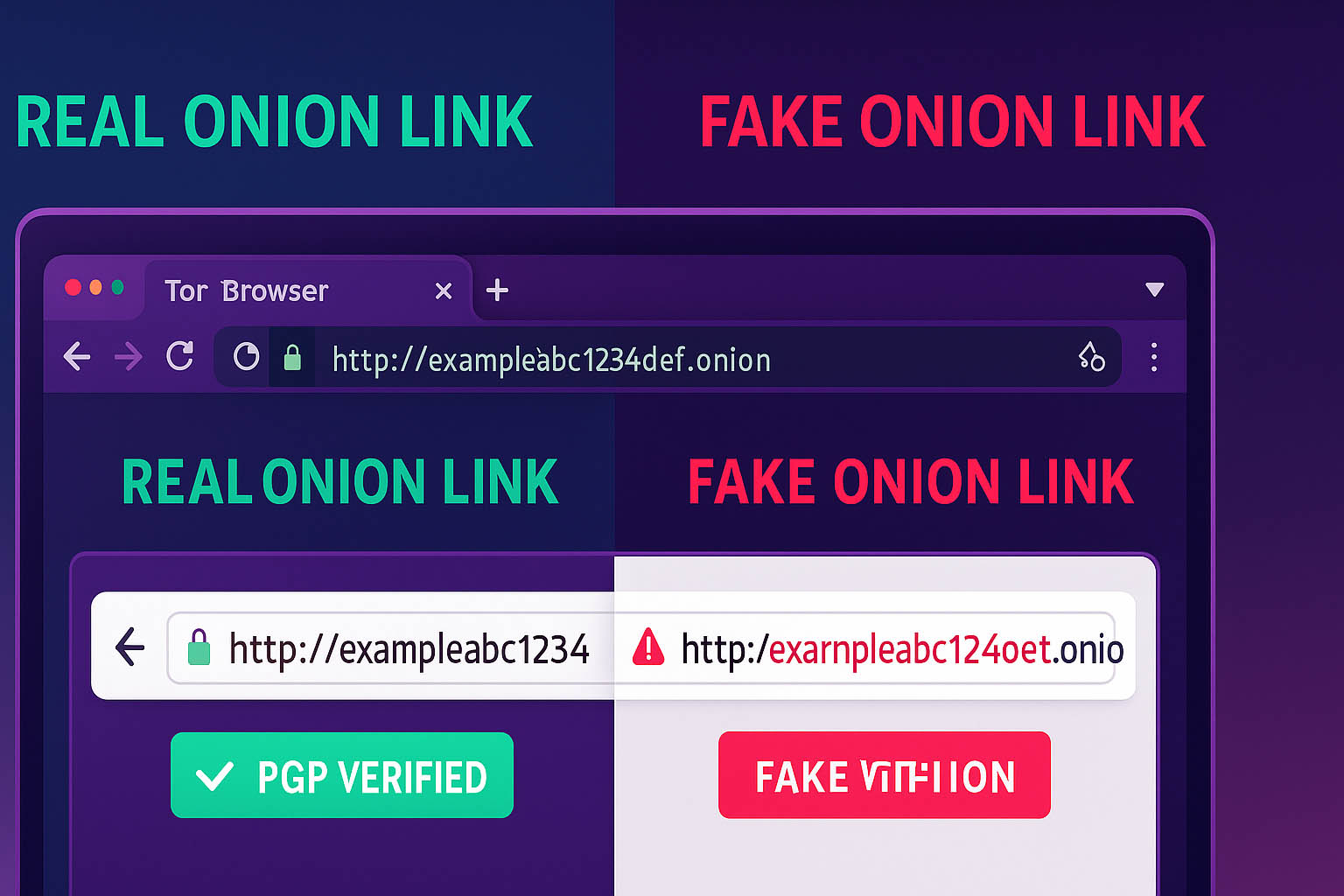
Legitimate onion services often use PGP signatures to prove their authenticity. If the site does not have a PGP verification or it shows an unverified key, you should be cautious. Also, be wary of sites with expired or mismatched SSL/TLS certificates, as this can be a sign of a clone.
How to Verify an Onion Link Before Visiting – Safe Methods for Checking Authenticity
The safest way to verify an onion link is to get it from a trusted source. This could be the clearnet site of the organization, a reputable onion directory like DarkFail, or an official social media account of the service.
You can also check for a PGP-signed message containing the onion address. Compare the public key fingerprint with the one published on official channels. This ensures the site is operated by the correct owner.
Before visiting, test the link using privacy-focused uptime checkers within the Tor network. Never click random onion links from forums, unverified lists, or suspicious emails. By taking a few extra minutes to verify, you can avoid phishing traps, malware infections, and scams, keeping your dark web activity safe and private.
Essential Privacy Tools for Safe Onion Browsing
Accessing onion sites requires more than just the Tor Browser. While Tor hides your location and encrypts traffic inside its network, extra privacy tools make your browsing much safer. Using the right settings and adding layers of protection reduces the risk of tracking, malware, and exposure.
Tor Browser Security Settings – Safer Browsing Mode & JavaScript Control
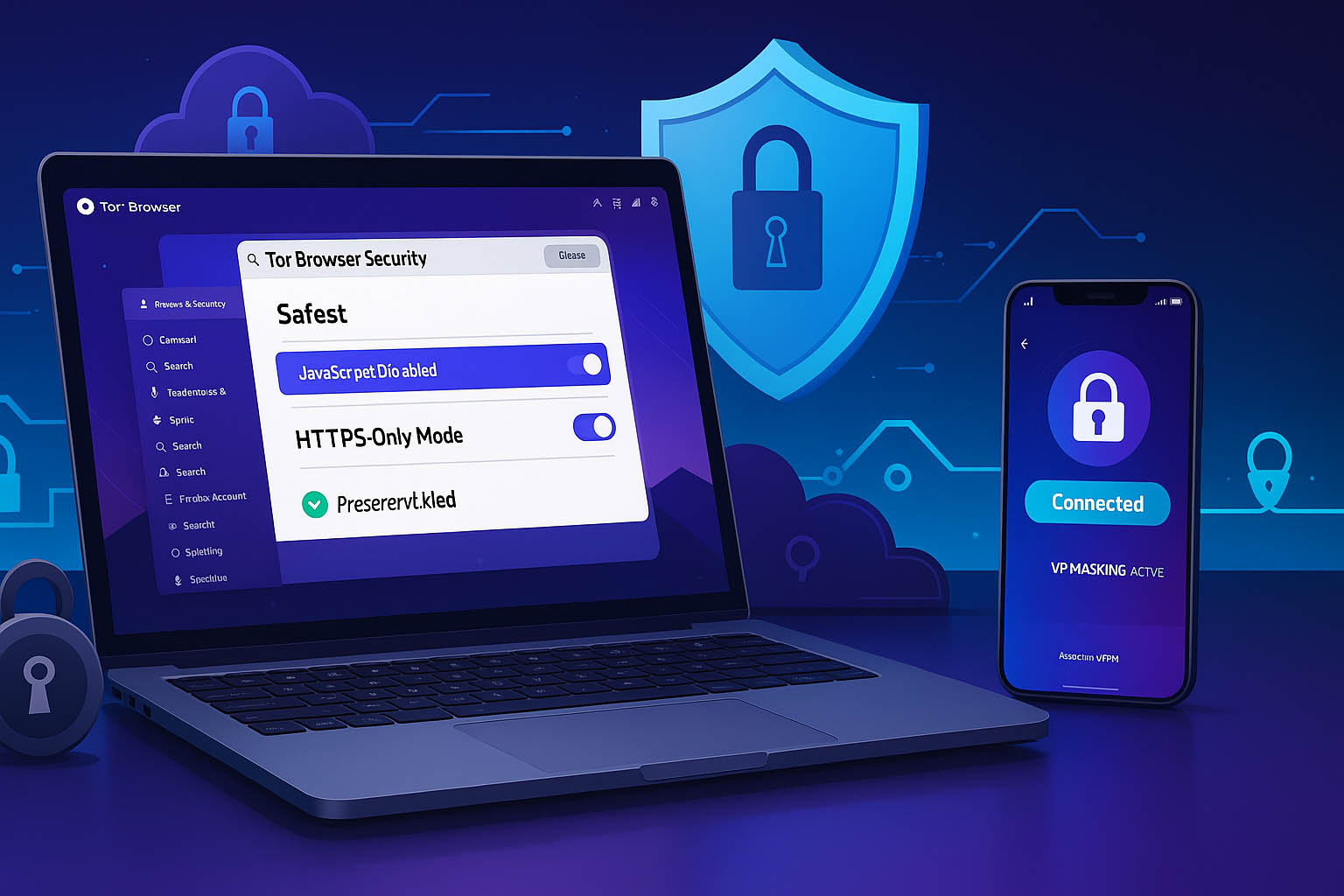
The Tor Browser includes built-in security levels that adjust how it handles scripts, media, and site elements. For safer browsing, use the “Safer” or “Safest” mode found in the browser’s security settings. These modes block potentially harmful scripts, disable some types of media, and reduce attack surfaces used by malicious sites.
JavaScript is one of the most common ways attackers exploit browsers on the dark web. Many onion phishing sites use JavaScript pop-ups or redirects to capture information. Disabling JavaScript entirely, or at least limiting it to trusted sites, greatly lowers this risk.
Tor Browser also supports HTTPS-Only Mode, which forces encrypted connections whenever possible. While not all onion sites use HTTPS, many legitimate ones do. Enabling this feature adds another layer of protection against tampering and interception.
Why a VPN Is Recommended Before Tor – IP Masking & ISP Privacy
Using a VPN before starting Tor adds an extra shield to your anonymity. With this setup, your internet provider sees only an encrypted connection to a VPN server, not that you are using Tor. This prevents potential ISP logging and helps bypass network restrictions in countries where Tor usage is monitored.
A VPN also masks your real IP address from the Tor entry node. This means even if the entry node were compromised, it would only see the VPN’s IP. Reputable VPN providers also prevent DNS leaks, ensuring all your traffic stays inside the encrypted tunnel.
Combining Tor Browser’s security settings with a trustworthy VPN creates a strong defense against surveillance, tracking, and cyberattacks, giving you a much safer dark web experience.
Frequently Asked Questions About Onion Links
Onion links can be confusing for new Tor users. Many people are unsure about their legality, stability, and safety. These common questions help clear up the uncertainty so users can browse with better awareness and confidence.
Are Onion Links Legal in My Country? – General Legality Overview
In most countries, visiting an onion site is not illegal by itself. The Tor network is simply a privacy tool, and onion addresses are a type of domain that requires Tor to access. Many onion services are legitimate, such as news outlets, search engines, and privacy tools.
However, the legality changes when the content itself is illegal under your local laws. For example, accessing a marketplace selling prohibited goods or downloading copyrighted material without permission can lead to legal consequences. In some countries with strict internet regulations, even using Tor may be restricted or monitored.
Before browsing onion sites, it’s wise to understand the internet laws in your jurisdiction. If you live in a country where Tor is blocked or suspicious activity is heavily monitored, using a VPN in combination with Tor can help you stay private. Remember, legality depends on what you do on the network, not just the act of visiting it.
How Often Do Onion Links Change? – v3 Address Stability
Onion links, especially older v2 addresses, used to change often changed due to security upgrades or service migrations. Since the move to v3 addresses, onion sites have become much more stable. V3 addresses are longer, more secure, and harder to fake, reducing the need for frequent changes.
That said, onion links can still change if the site owner switches hosting providers, updates their server setup, or responds to security threats. Many legitimate services announce new addresses through verified channels, such as PGP-signed updates, official clearnet sites, or trusted onion directories like DarkFail.
If you rely on certain onion services, it’s a good habit to check them through a verified directory before each visit. This ensures you’re connecting to the correct and current version of the site, avoiding downtime or dangerous clones.
Final Thoughts – Staying Safe on the Dark Web
The dark web offers valuable resources for privacy, free speech, and secure communication, but it also carries risks. Safe browsing depends on knowing which sites to trust and how to protect yourself while navigating the internet. By using the right tools, verifying links, and adopting strong security habits, you can minimize your exposure to threats and maximize the benefits of the Tor network.
Responsible Use of Onion Links – Ethics & Security Practices
Using onion links responsibly means avoiding illegal or harmful activities. While many onion services are legitimate, the dark web also hosts scams and dangerous marketplaces. Ethical use starts with visiting only verified, safe resources. You should never share personal information, reuse passwords, or click suspicious links on onion sites.
Is the Silk Road Still Active on the Dark Web Market or Not? – Exploring the truth behind the most infamous dark web marketplace and whether it still exists.
Security practices are just as important. Keep your Tor Browser updated, use the safest security level that still allows your intended browsing, and disable JavaScript unless necessary. Combining Tor with a VPN adds another layer of anonymity, keeping your real IP hidden from entry nodes and internet service providers. Responsible use is not just about protecting yourself—it also helps maintain the dark web as a tool for privacy and freedom.
Bookmarking Trusted Sources for Future Access – Maintaining Your Safe List
One of the best ways to avoid scams and fake onion sites is to create your list of trusted addresses. Bookmark verified links directly in your Tor Browser or store them in an encrypted file. Make sure each address comes from a reputable source, such as the site’s official clearnet page or a trusted directory like DarkFail.
Since onion sites can change over time, review your list regularly. Replace outdated addresses with their updated versions and remove any that go offline. Maintaining your safe list ensures that you always have quick access to the sites you trust without risking visits to malicious clones.
Recent Blog Posts:
- How the Hidden Wiki Became the Gateway to the Dark Web – https://hidden.wiki/how-the-hidden-wiki-became-the-gateway-to-the-dark-web
- What Is the Hidden Wiki and How It’s Going in 2025 – https://hidden.wiki/what-is-the-hidden-wiki-and-how-its-going-in-2025
- How Is the Deep Web Going in 2024 – Users’ Experiences – https://hidden.wiki/how-is-the-deep-web-going-in-2024-users-experiences
- Is the Silk Road Still Active on the Dark Web Market or Not? – https://hidden.wiki/is-the-silk-road-still-active-on-the-dark-web-market-or-not
The post Onion Links That Still Work in 2026 – Verified & Safe .onion Directory appeared first on Hidden Wiki - Top Dark Web Links & Onion Sites (2026).
]]>The post How the Hidden Wiki Became the Gateway to the Dark Web appeared first on Hidden Wiki - Top Dark Web Links & Onion Sites (2026).
]]>Before the Hidden Wiki’s creation, the dark web was an intimidating, hard-to-navigate space. It lacked a centralized directory or search engine due to the anonymous and decentralized nature of .onion services. This meant that new users, even those with technical knowledge, often struggled to discover reliable, trustworthy sites. The Hidden Wiki changed this by acting as an entry point — a curated, user-editable directory of active .onion links grouped by categories like marketplaces, forums, email providers, and privacy tools.
This innovation significantly lowered the barriers for newcomers and casual users. Instead of relying on word of mouth, forums, or trial-and-error, users could explore a single hub to find resources. It also encouraged growth in the dark web economy by funneling traffic to darknet markets and service providers.
Because it was user-maintained, the Hidden Wiki became a dynamic, constantly updated source of information, much like Wikipedia on the surface web, but for anonymous services. This model fostered community collaboration and introduced risks, as open editing allowed spam, scams, and malicious content to proliferate. For a detailed look at the Hidden Wiki’s current state and challenges, see our article What Is the Hidden Wiki and How It’s Going in 2025.
The Origins of the Hidden Wiki
The Hidden Wiki emerged around 2010-2011, paralleling the rise of Tor and early darknet marketplaces. At this time, Tor was primarily used by a niche group of activists, journalists, and privacy advocates. The dark web itself was fragmented and relatively inaccessible to the average internet user.
The launch of Silk Road in 2011 marked a turning point in dark web activity. It demonstrated the potential for anonymous marketplaces, creating demand for easier ways to discover such sites. The Hidden Wiki answered that demand by providing an open directory of Tor links, including Silk Road itself and other nascent marketplaces.
Unlike traditional websites, the Hidden Wiki was hosted as a Tor hidden service (.onion domain), ensuring anonymity for both its operators and users. It adopted a wiki format to allow users to contribute and update links in real-time, which was critical in a space where sites frequently went offline or changed addresses to evade law enforcement.
How the Hidden Wiki Works
The Hidden Wiki functions like a collaborative encyclopedia of dark web links. It categorizes onion sites into clear sections: darknet markets, hacking forums, whistleblower platforms, cryptocurrencies, social communities, and more. Users can typically submit new links or edit existing ones, although some versions introduced moderation to combat abuse.
This wiki-style approach is both its strength and weakness. It empowers community-driven curation, making the directory comprehensive and up-to-date. However, because edits are not always verified, malicious actors often insert scam sites, phishing links, or fake marketplaces to steal credentials or cryptocurrencies.
To counter these risks, several versions of the Hidden Wiki include disclaimers warning users to exercise caution and verify links before interacting. Because law enforcement regularly targets well-known Hidden Wiki domains, the site often changes addresses, leading to a proliferation of mirrors and forks — some trustworthy, others malicious.
Role as a Gateway and Information Hub
The Hidden Wiki’s biggest contribution is lowering the dark web’s entry barrier. Many newcomers find the technical hurdles of using Tor, understanding .onion URLs, and locating reliable sites overwhelming. The Hidden Wiki simplifies this by consolidating diverse resources in a single directory.
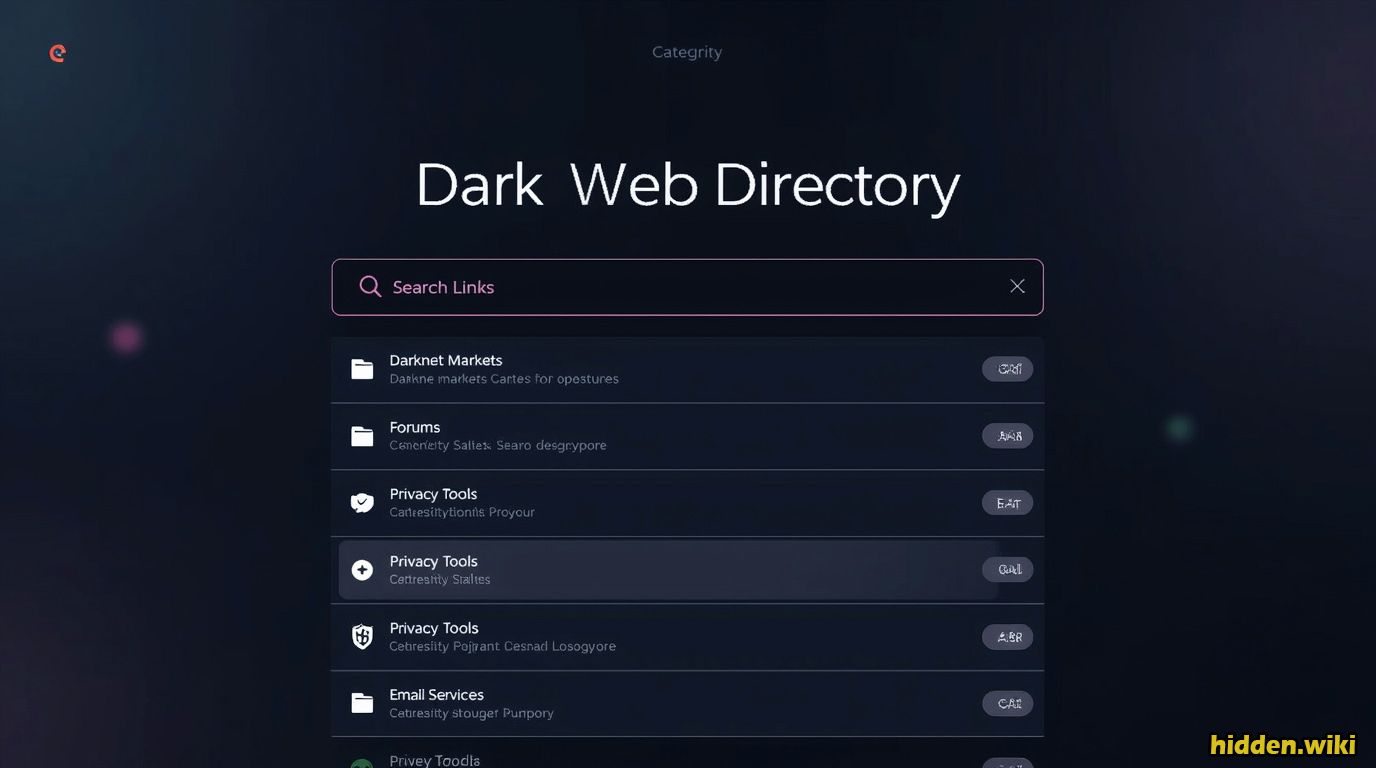
It acts as a hub not just for marketplaces but for a wide range of services, such as anonymous email providers (e.g., ProtonMail), secure messaging, cryptocurrency tools, whistleblowing platforms like SecureDrop, and forums for discussions on privacy or darknet news. This breadth makes it a one-stop shop for users seeking privacy-oriented online tools.
Additionally, the Hidden Wiki often serves as a basic tutorial for beginners, with some versions including instructions on how to use Tor, stay safe, and avoid scams. For many, it is their first introduction to the deep and dark web world.
Controversies and Challenges
Because the Hidden Wiki’s content is uncensored and user-edited, it inevitably includes links to illegal or highly controversial material. This includes darknet markets selling drugs, weapons, counterfeit documents, hacking services, and other illicit goods. For a balanced perspective on who uses the dark web and why, see Is the Dark Web Only for Criminals or Everyone?.
This open nature attracts scammers and criminals who create fake marketplaces or phishing sites within the directory to exploit unsuspecting users. There have been numerous reports of defacements, where hackers or law enforcement seize control of mirrors and replace links with malicious content or warnings.
The prevalence of scams and malware forced many darknet users to treat the Hidden Wiki cautiously, cross-referencing links with trusted community forums or using verified mirrors only. Moreover, law enforcement efforts to shut down prominent Hidden Wiki mirrors created a cat-and-mouse dynamic, pushing the community to create ever-changing domains and multiple forks to evade censorship.
Evolution Over Time
The Hidden Wiki evolved from a single directory to a fragmented ecosystem of mirrors and forks, each claiming authenticity. Some forks aimed to be safer by moderating links, removing scams, and providing verified lists. Others specialized in niche content like markets only or whistleblower sites only.
Technological improvements also emerged, with some versions implementing PGP-signed updates to verify link authenticity and reduce tampering. Despite fragmentation, the core concept remains the same: a community-curated directory that helps users navigate an otherwise opaque environment.
The rise of alternative discovery tools like darknet search engines or market review forums has supplemented but not replaced the Hidden Wiki’s role. Its cultural significance remains intact as an emblem of dark web accessibility.
Why the Hidden Wiki Remains Important
In 2025 and beyond, the Hidden Wiki still serves as a key resource for new and experienced users alike. It embodies the dark web’s values of privacy, decentralization, and open access, even as it wrestles with security challenges.
For newcomers, it provides an understandable starting point — something tangible in an otherwise complex network. For veterans, it remains a quick reference for new marketplaces, tools, or resources. Its ongoing presence is also a testament to the resilience of the dark web community against censorship and takedown attempts.
Tips for Safe Use
Using the Hidden Wiki safely requires knowledge and caution. Always use the official Tor Browser to access .onion links, and consider combining it with a VPN for an extra layer of anonymity. Never download files or input personal information unless you trust the source.
Verify links using community forums or updated lists maintained by trusted darknet users. Be aware that many scam sites imitate legitimate ones, so use PGP signatures or other verification methods if possible. Avoid clicking on suspicious or unfamiliar links, and keep your system secure with up-to-date antivirus and sandboxing techniques.
Educate yourself about basic operational security (OpSec) principles to minimize the risk of exposure or scams when using the Hidden Wiki or any dark web service.
The Technical Infrastructure Behind the Hidden Wiki
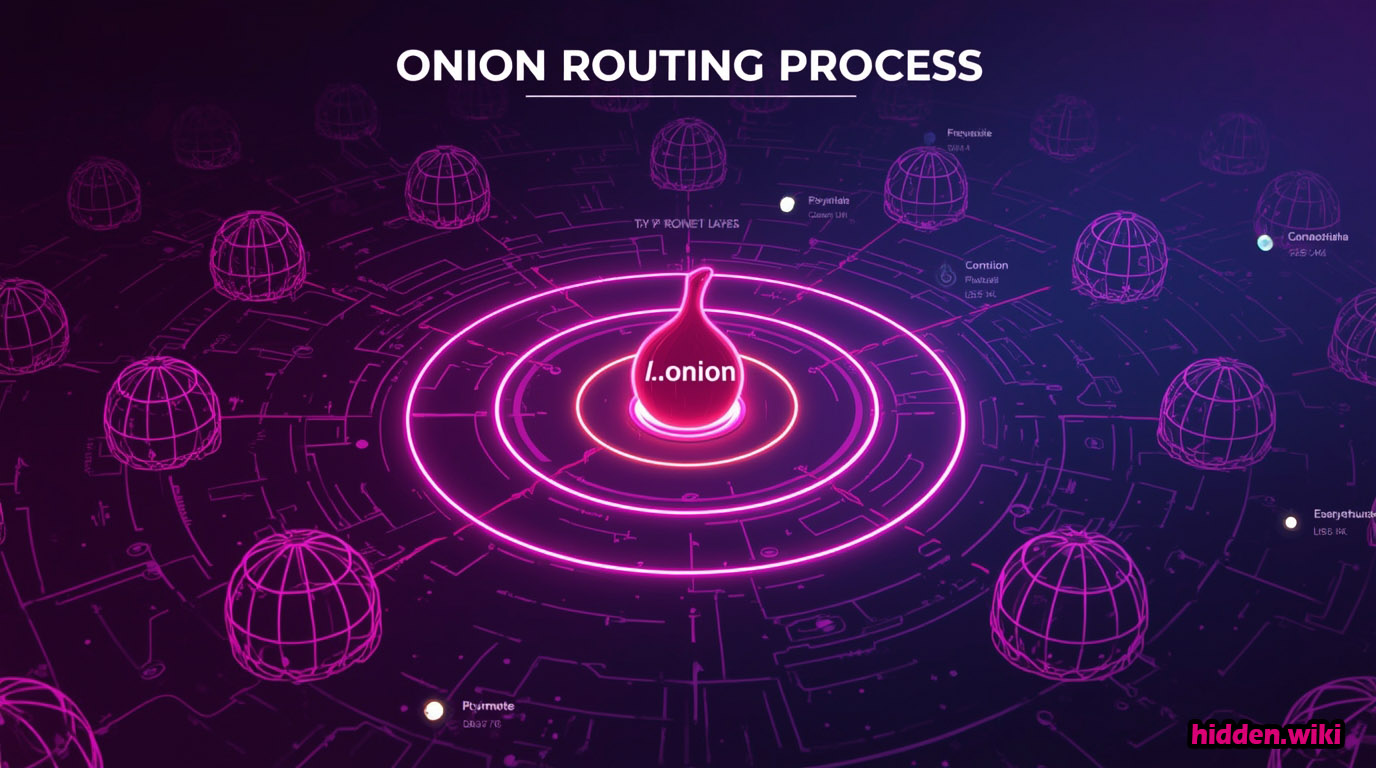
Delve into how the Hidden Wiki operates technically as a Tor hidden service (.onion site). Explain what makes a .onion address special — how it relies on Tor’s onion routing for anonymity, both for users and for the server hosting the Hidden Wiki.
Discuss how the Hidden Wiki servers are usually hidden, decentralized, and often hosted by volunteers or anonymous groups. Talk about challenges like uptime reliability, DDoS attacks, and frequent domain changes due to law enforcement or hacking threats.
This section can also touch on mirror sites — what they are, why they exist, and how users identify trustworthy mirrors.
The Social and Cultural Impact of the Hidden Wiki
Explore how the Hidden Wiki influenced the perception and culture of the dark web. It democratized access, making it more than just a tool for hackers or criminals — it became a place where privacy activists, journalists, whistleblowers, and everyday users could find resources.
Highlight stories or examples of how the Hidden Wiki helped whistleblowers access anonymous leak platforms or how privacy advocates found encrypted communication tools through it.
Also, discuss the social challenges — how it fostered an underground culture that often clashes with mainstream internet norms, and how it has sparked debates about free speech versus illegal content hosting.
Legal and Ethical Considerations
Discuss the legal gray area surrounding the Hidden Wiki. While the directory itself is just a list of links, many of those links lead to illegal content. This raises questions about liability, censorship, and the ethics of hosting or using such a directory.
Mention how different countries handle dark web directories legally, how law enforcement agencies monitor them, and cases where Hidden Wiki operators or contributors have faced legal action.
Bring in the ethical debate: balancing free speech and privacy with the risks of facilitating criminal activity.
How to Verify and Trust Links on the Hidden Wiki
Since the Hidden Wiki can be a hotbed for scams, explain best practices for verifying links before visiting or interacting with them.
Introduce methods like:
-
Cross-checking with trusted darknet forums and communities.
-
Use PGP signatures or cryptographic verification when available.
-
Following community-vetted directories or curated lists.
-
Being wary of recently added or unverified links.
Explain why due diligence is crucial to avoid scams, malware, and phishing attempts.
Future of the Hidden Wiki and Dark Web Directories

Speculate on how the Hidden Wiki and similar directories might evolve. Will decentralized technologies like blockchain improve link verification and censorship resistance?
Discuss trends like AI-powered dark web search engines, enhanced privacy tools, or the rise of alternative darknets beyond Tor.
Consider potential legal pressures and technological innovations that could shape the future landscape.
User Stories and Experiences
Include anonymized or aggregated user stories about first-time visits to the Hidden Wiki. What did they find? What challenges did they face? How did it help them access services or communities?
Sharing real-world experiences makes the article relatable and provides practical insights.
Comparison with Other Dark Web Directories
Briefly compare the Hidden Wiki with other dark web directories or search engines. Highlight differences in approach, trustworthiness, scope, and usability.
Explain why the Hidden Wiki remains popular despite alternatives.
Conclusion
The Hidden Wiki’s journey from a simple directory to a symbolic gateway illustrates the dark web’s dual nature: a space for privacy and freedom, but also fraught with risks and illegality. It lowered entry barriers, helped build an ecosystem, and remains culturally significant despite challenges.
Understanding the Hidden Wiki means understanding the broader story of the dark web — a constantly evolving frontier where anonymity meets innovation, danger, and opportunity.
The post How the Hidden Wiki Became the Gateway to the Dark Web appeared first on Hidden Wiki - Top Dark Web Links & Onion Sites (2026).
]]>